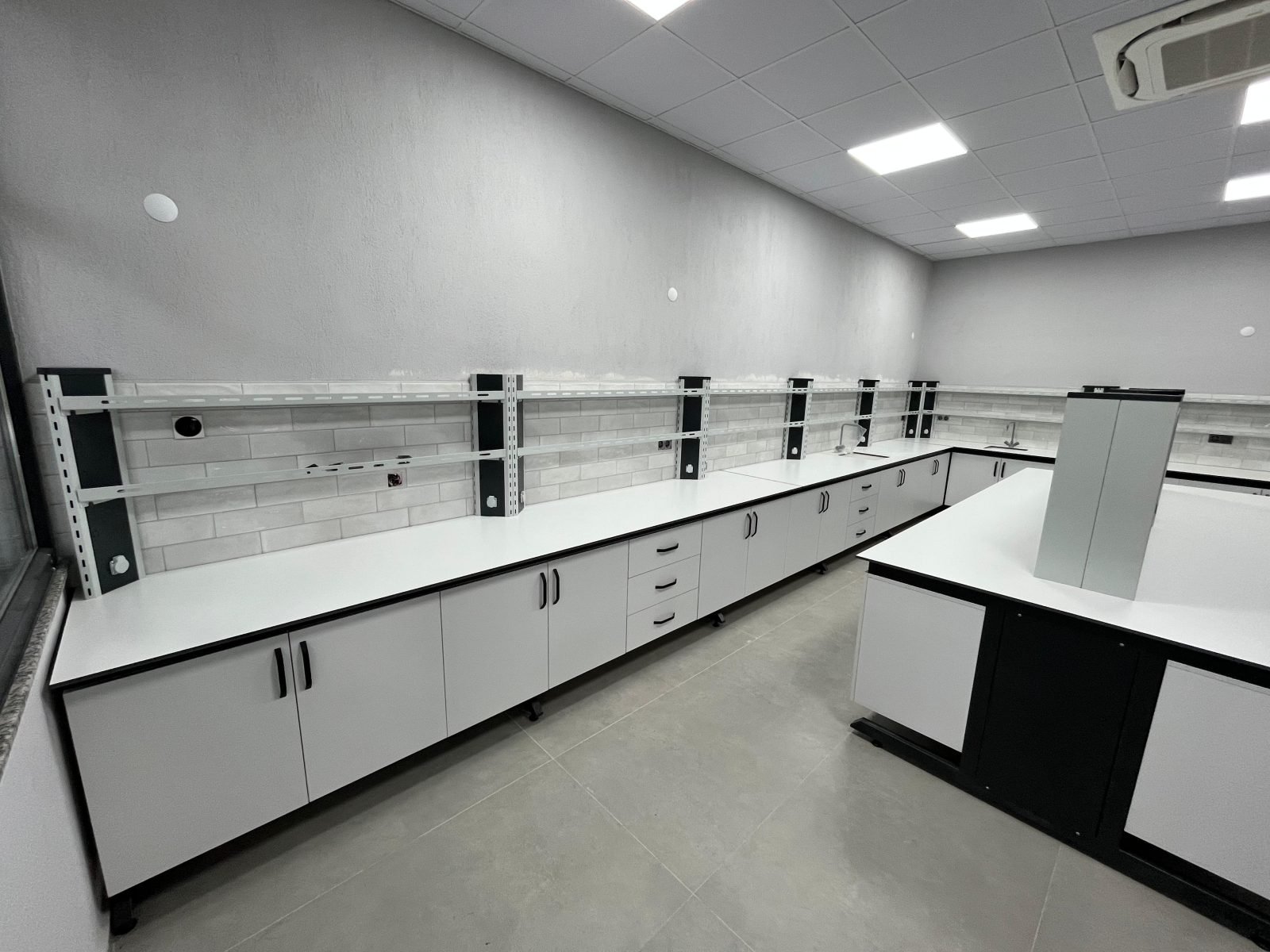
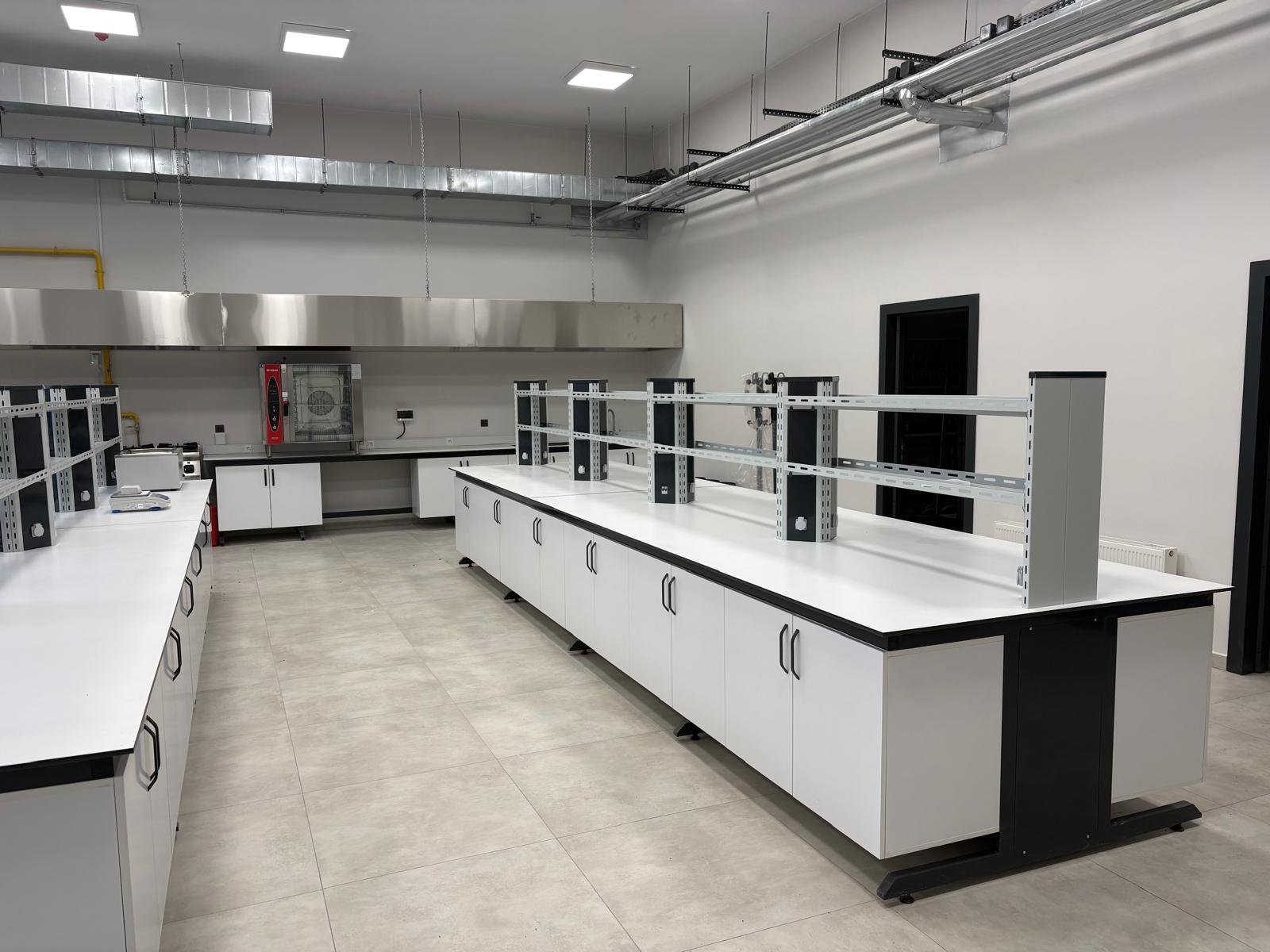
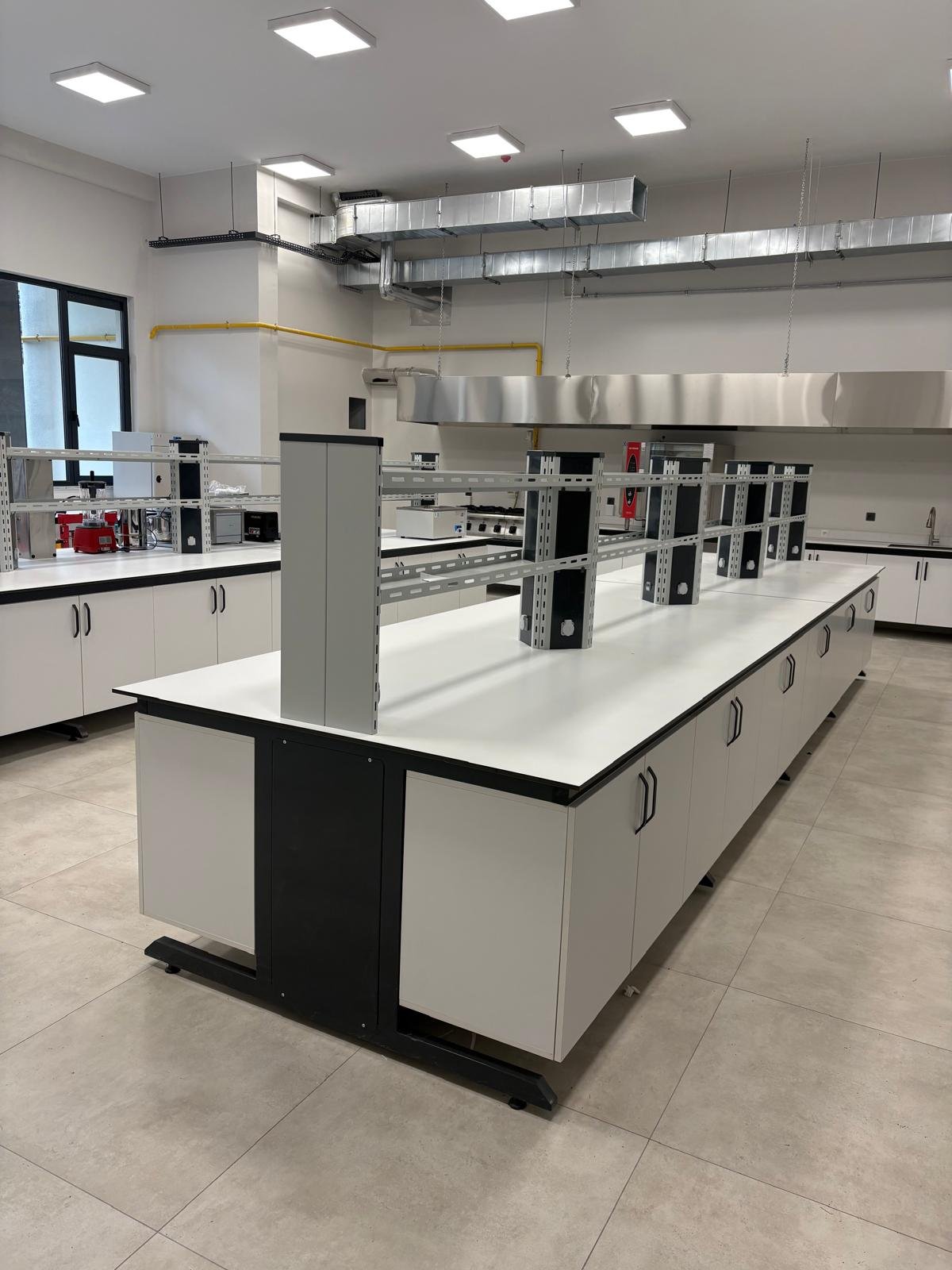
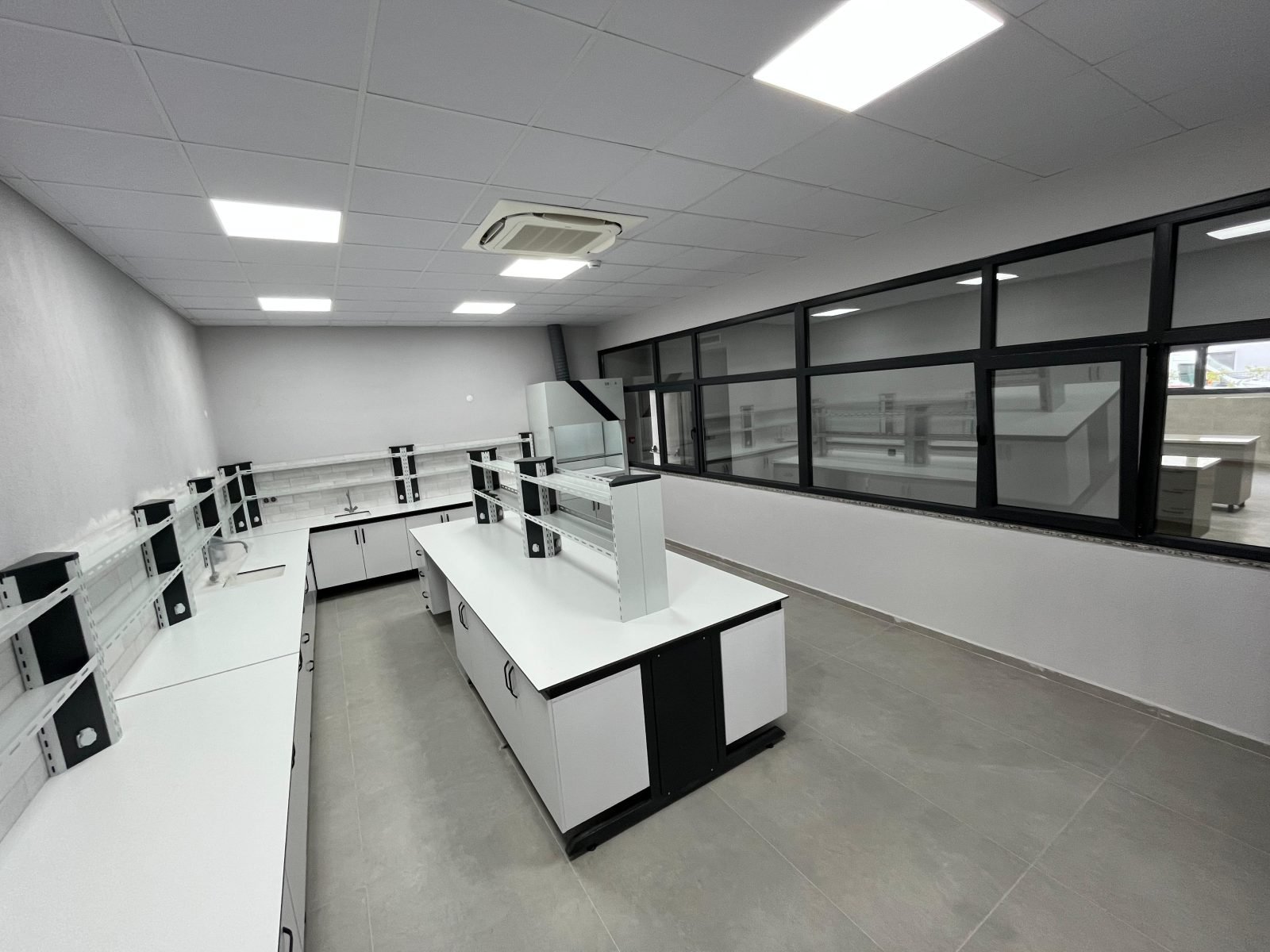
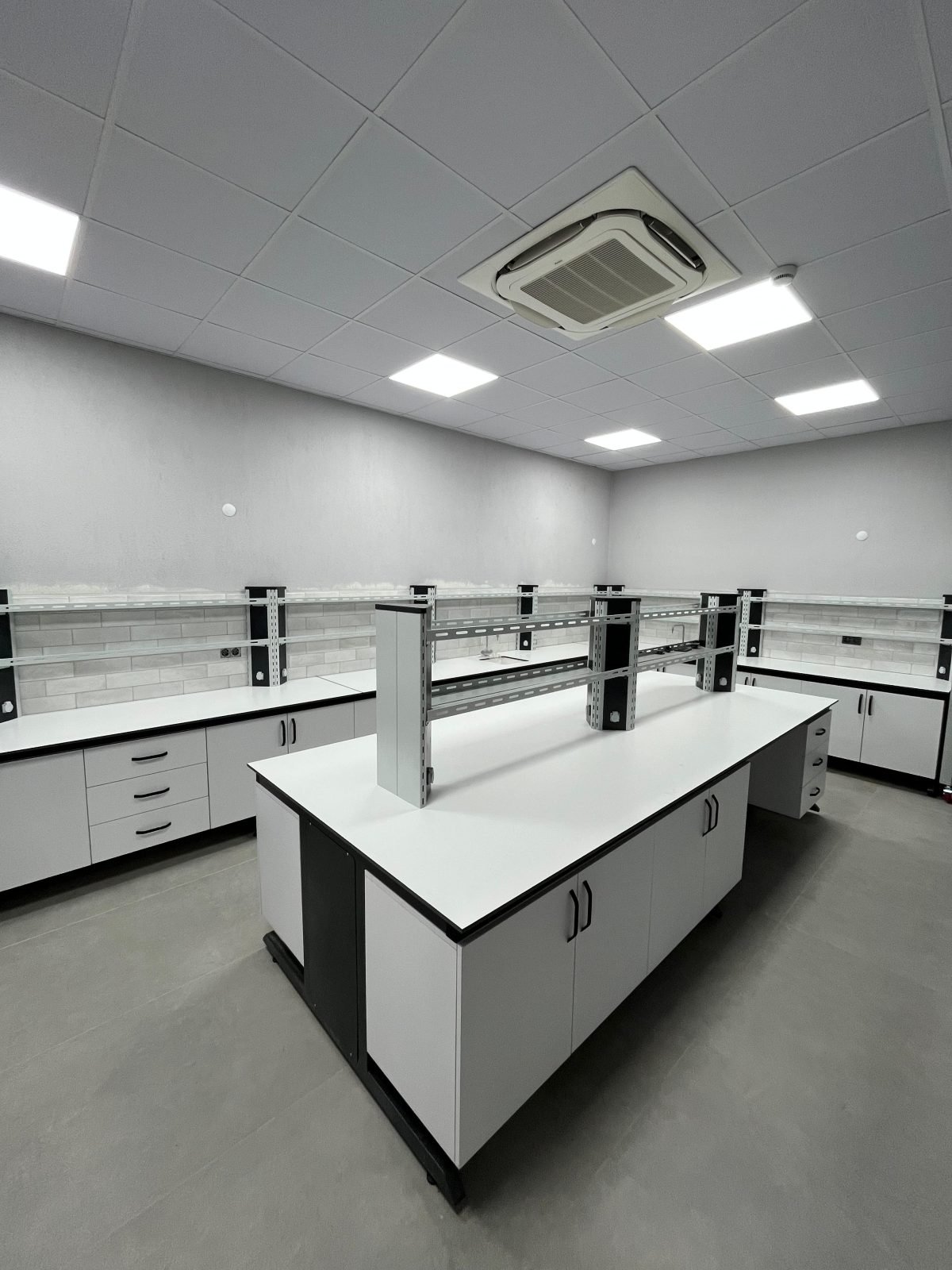
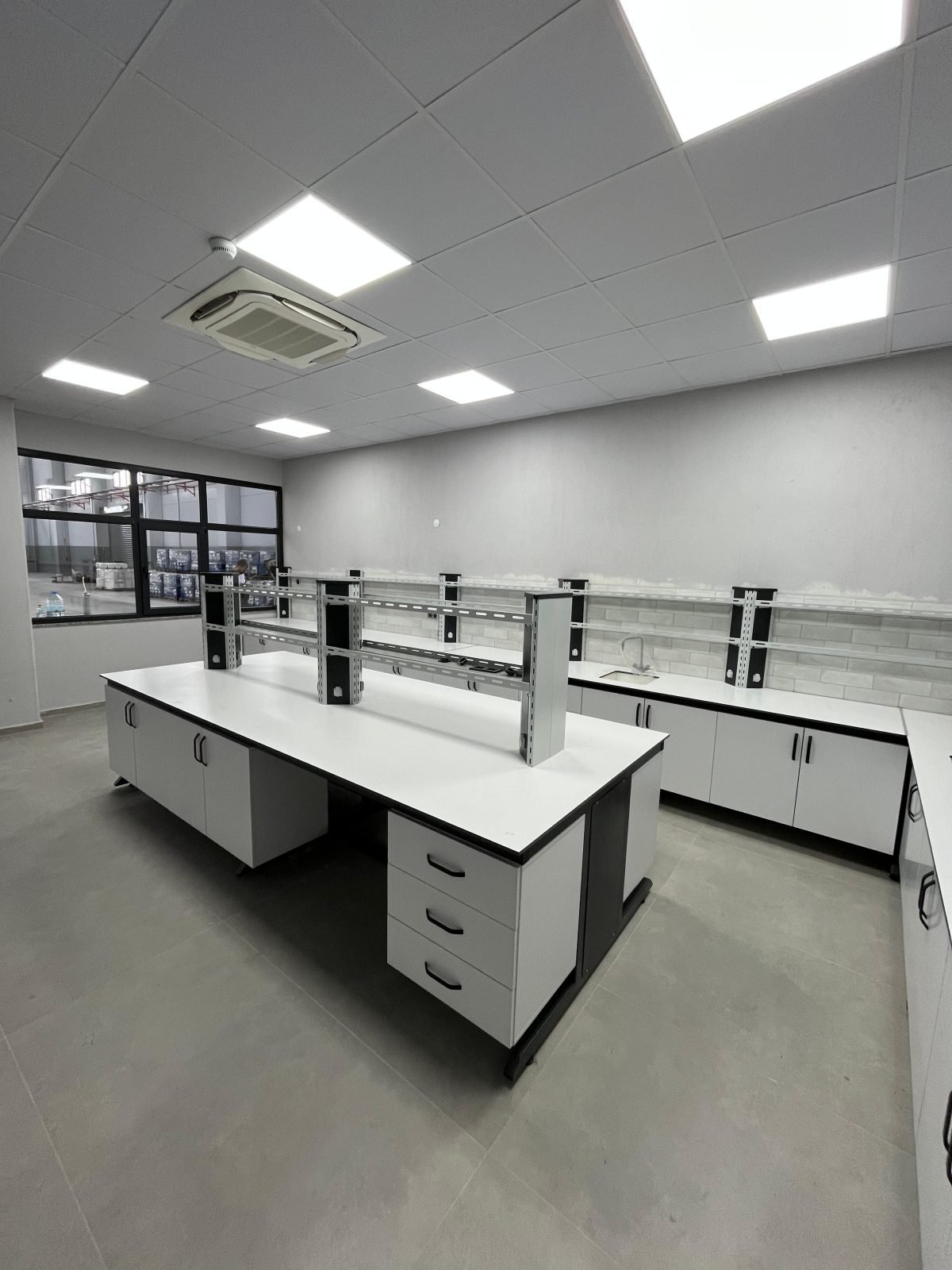
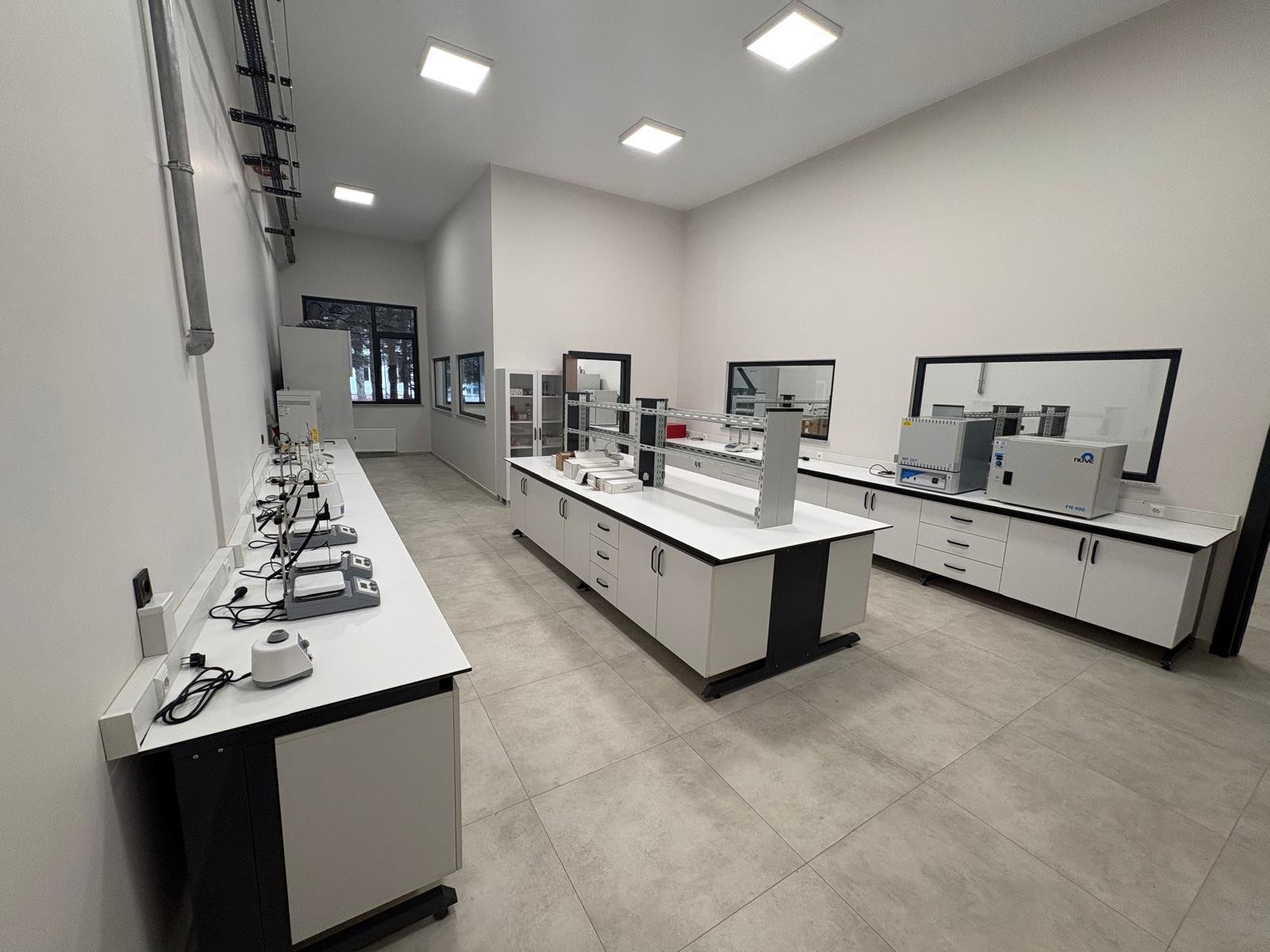
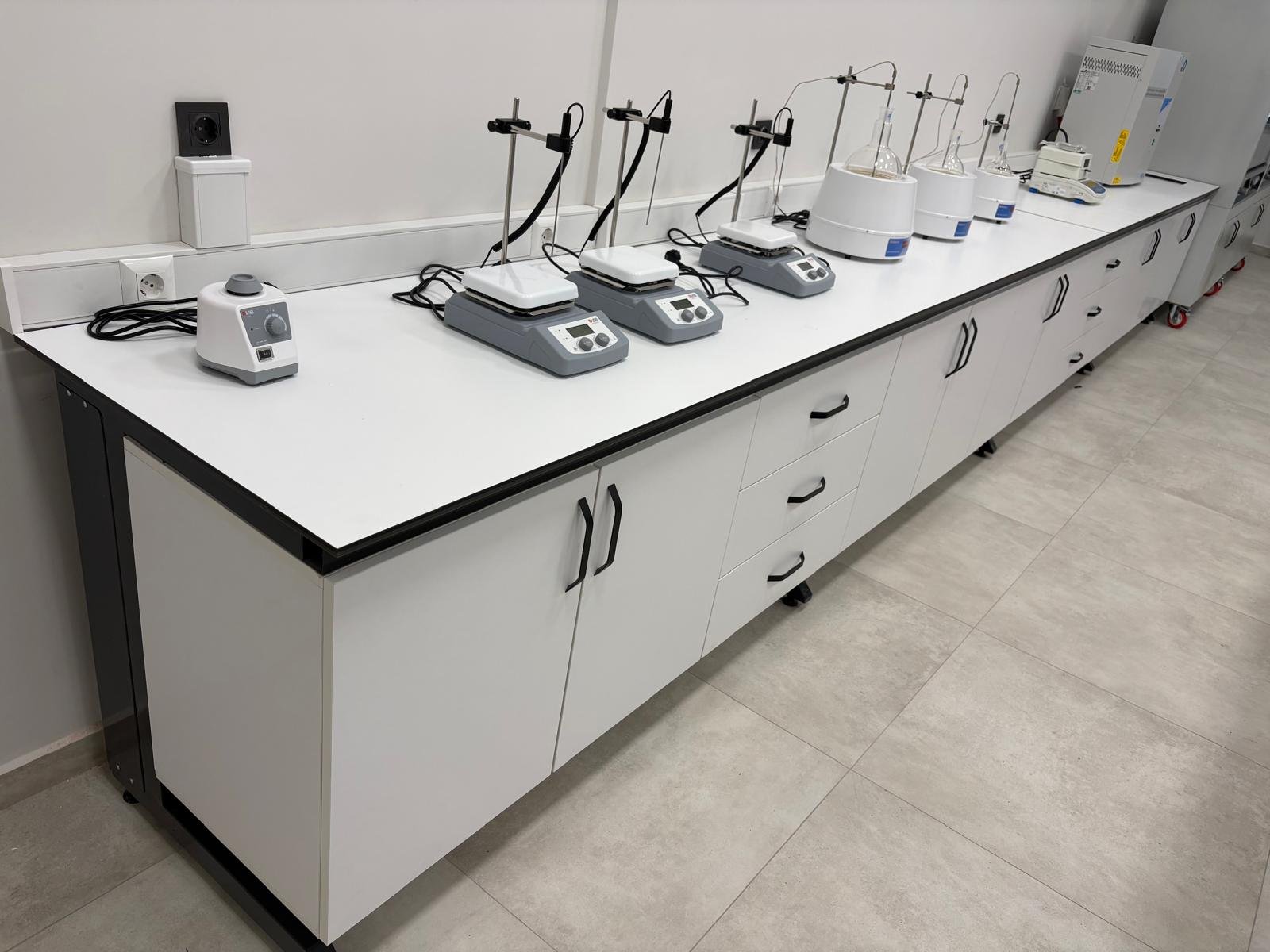
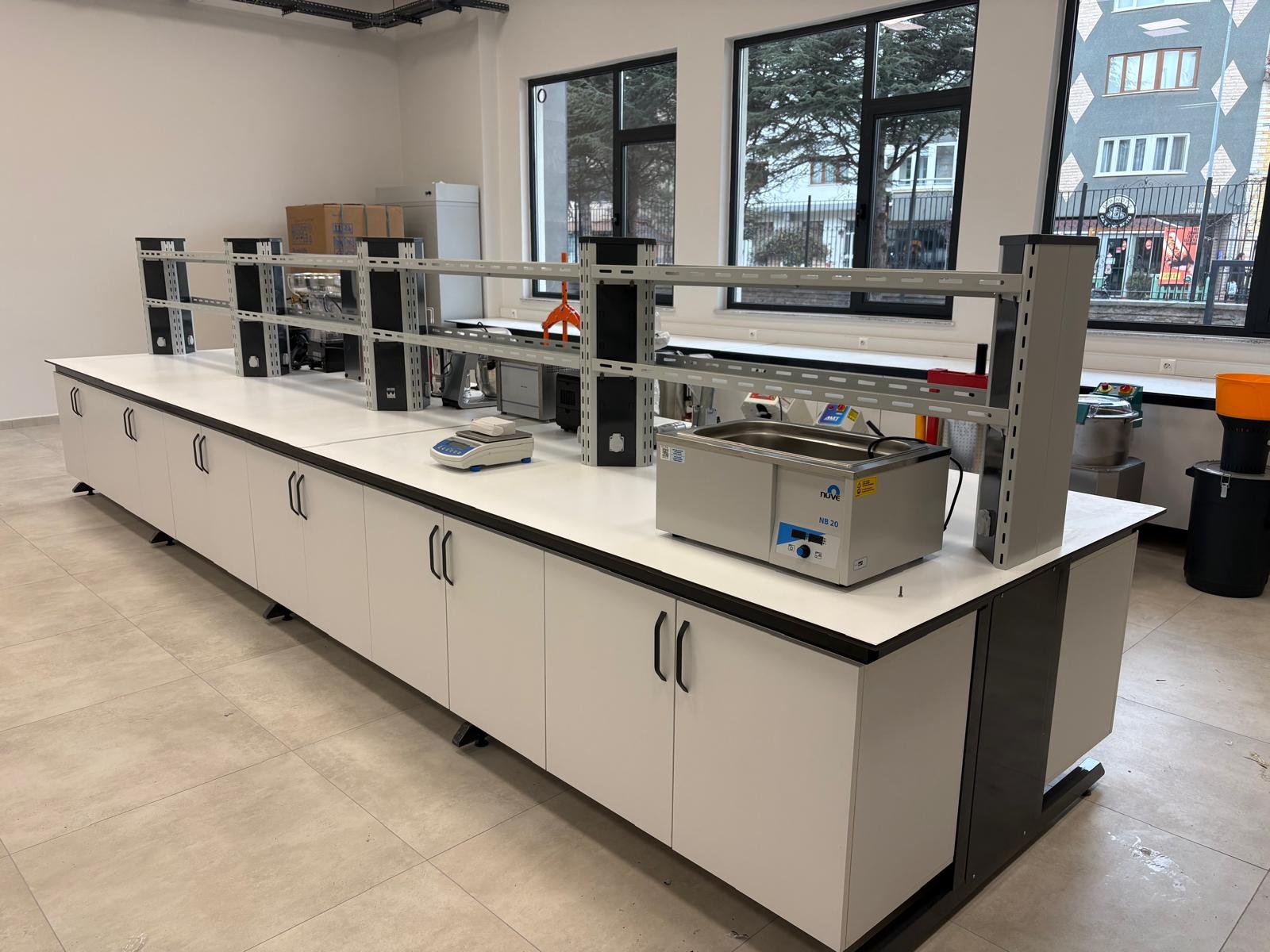
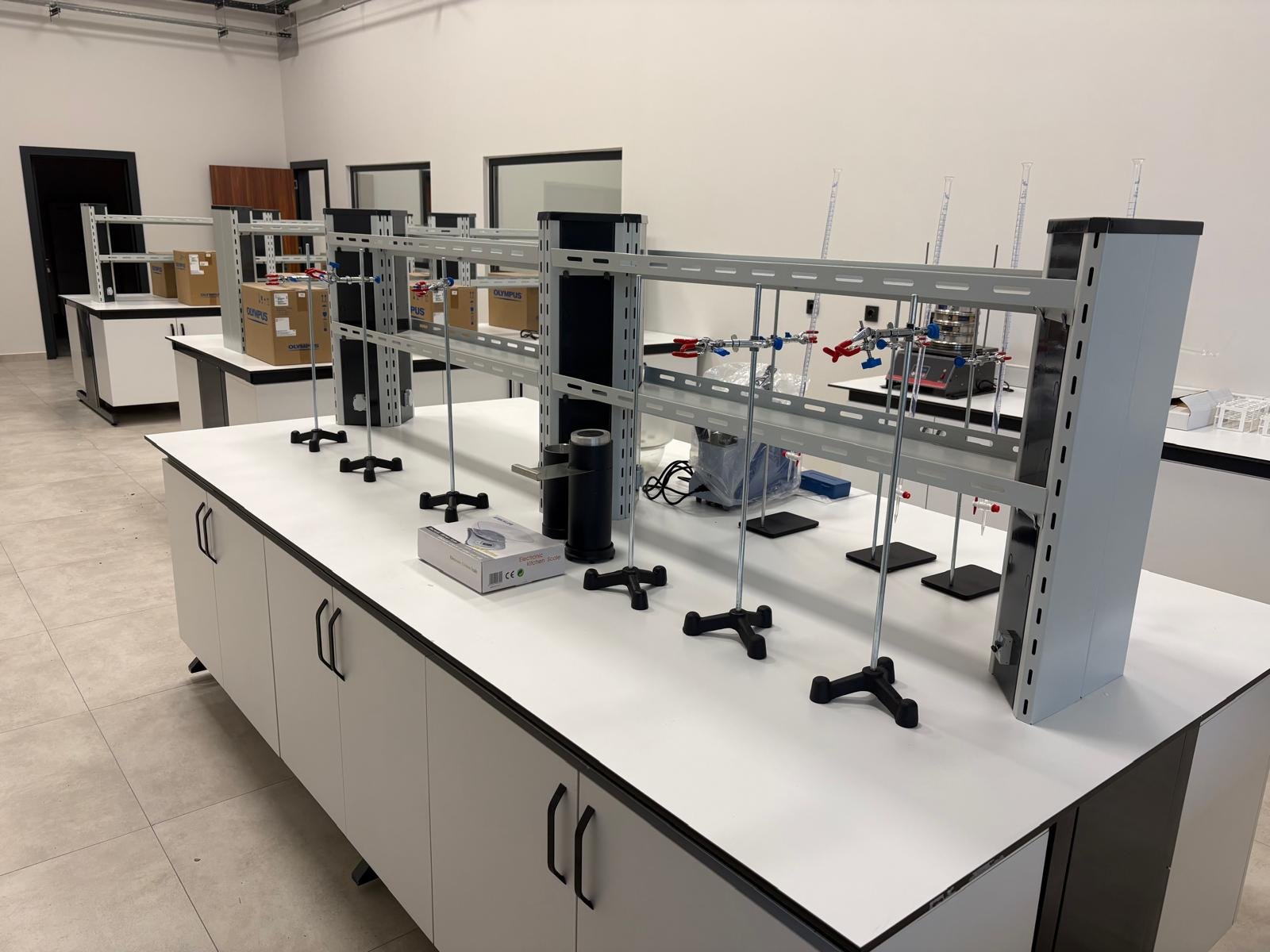
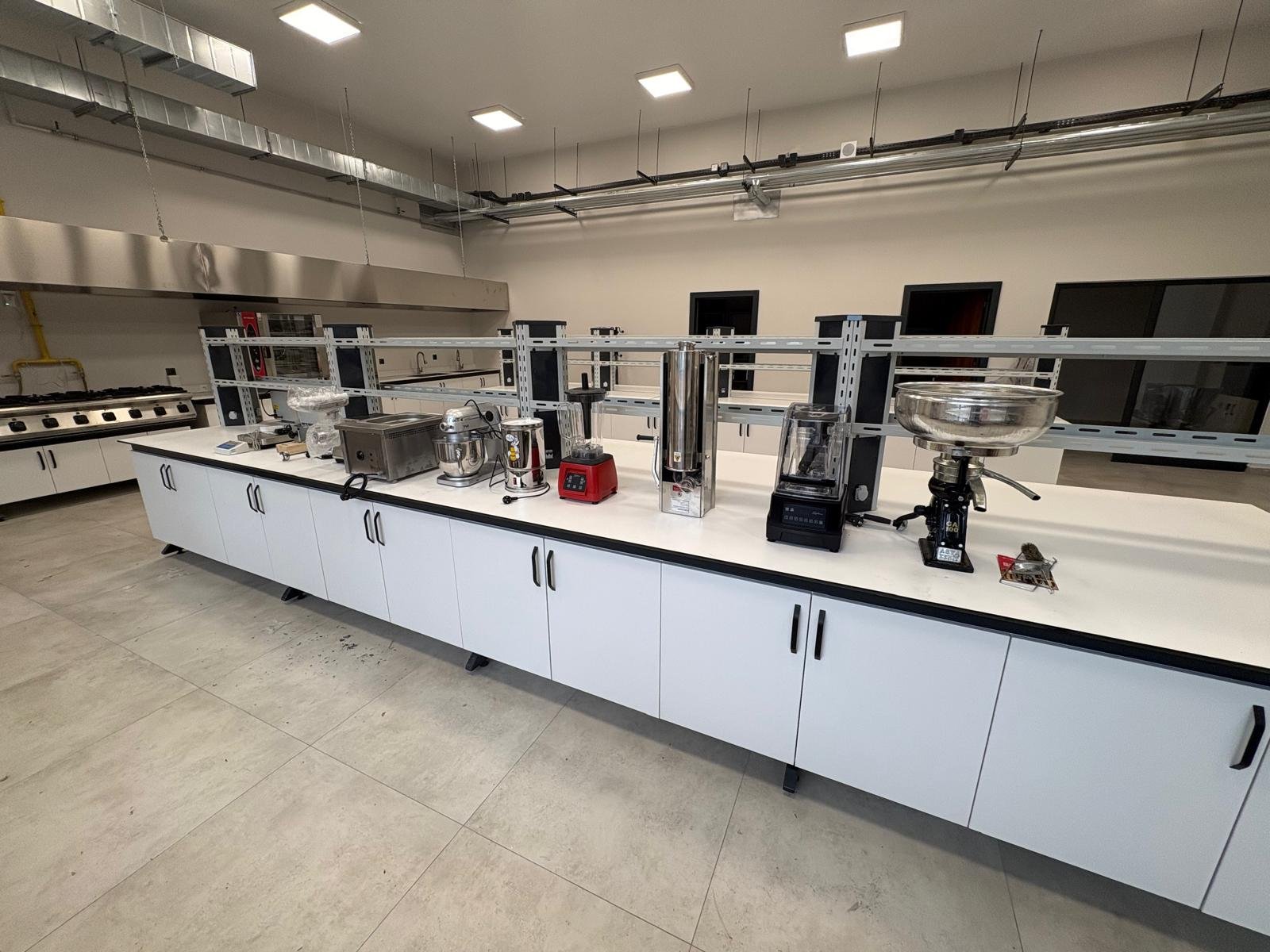
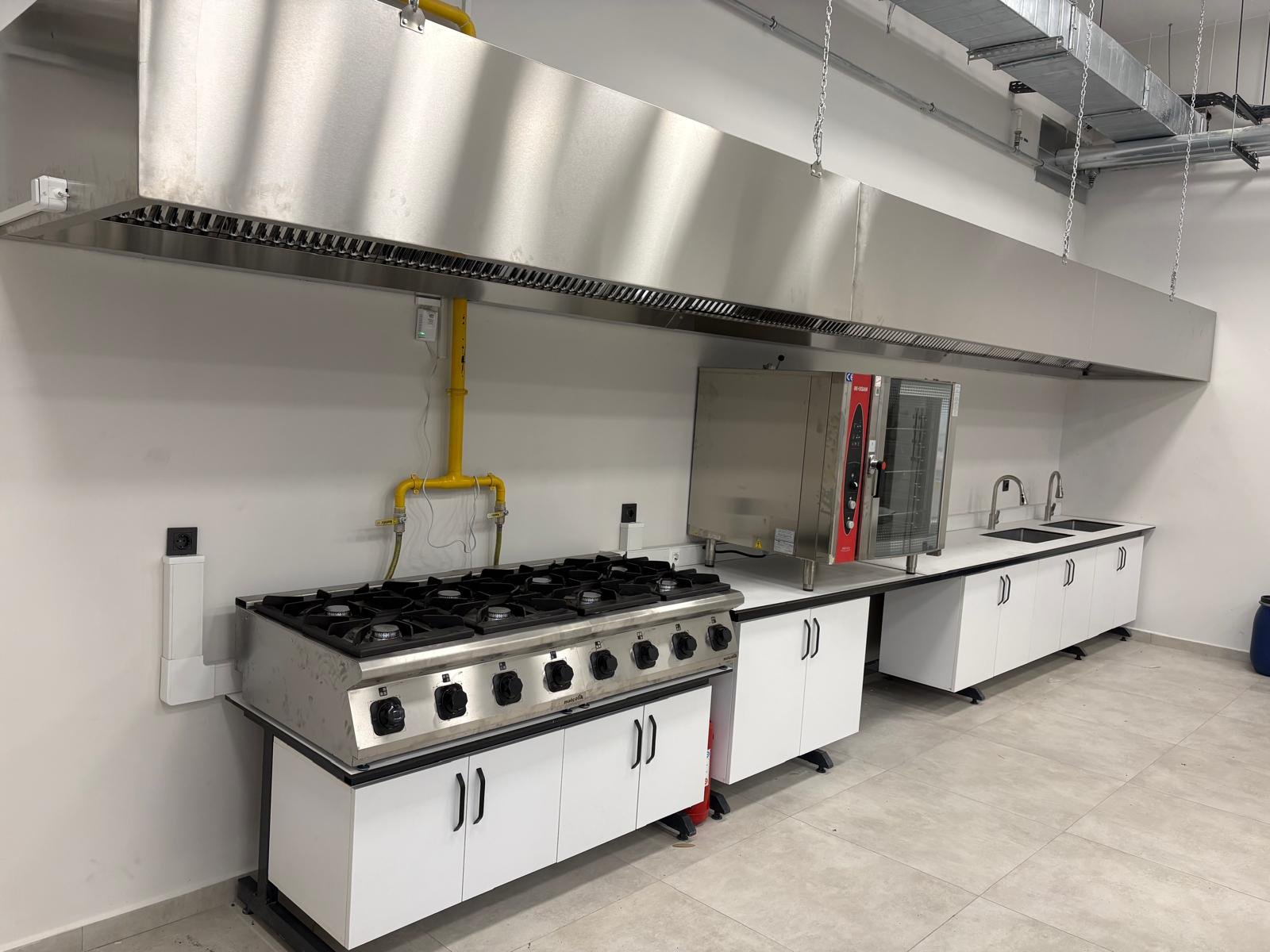
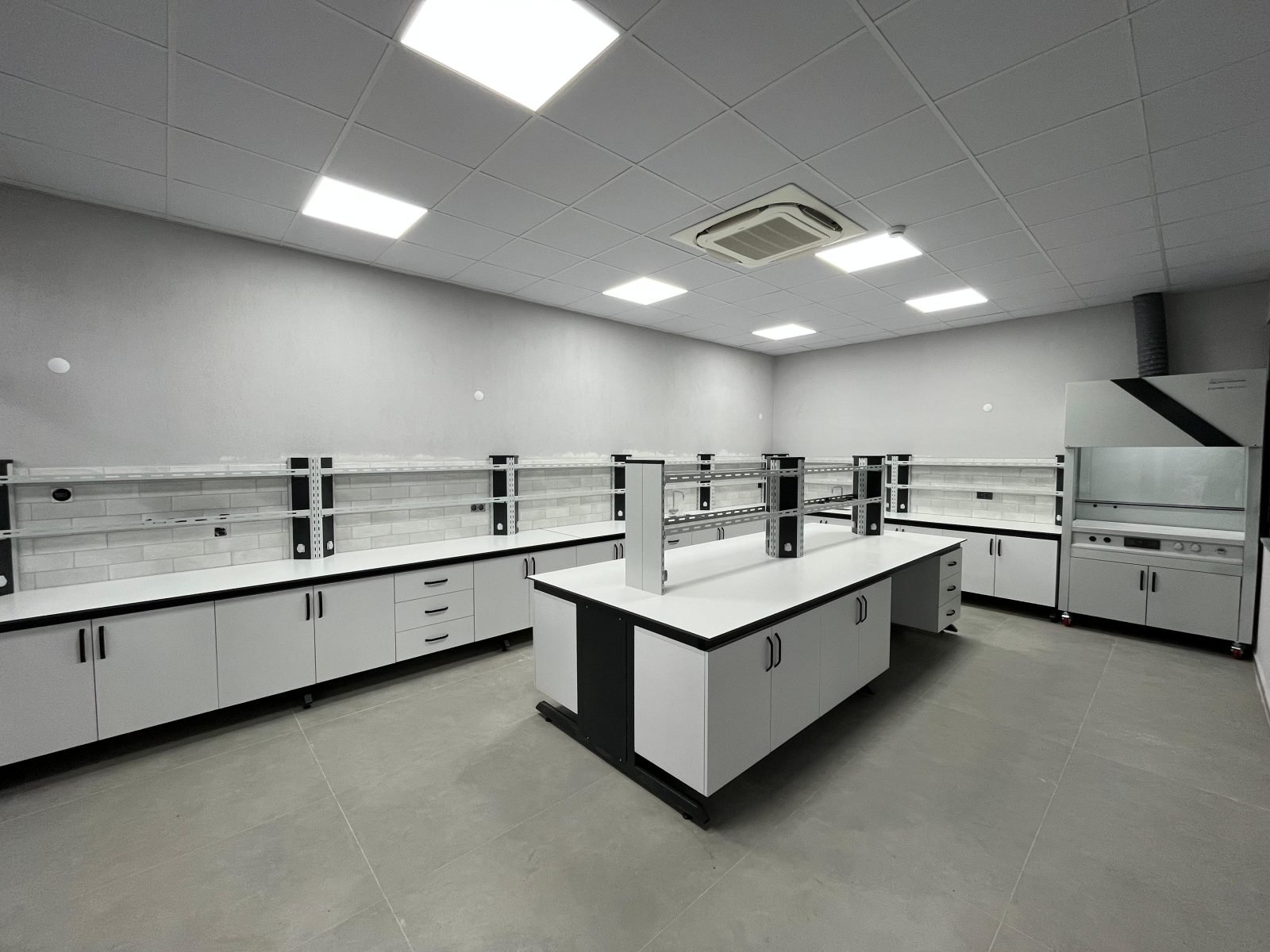
Laboratory worktops: G-Lab compact surfaces resistant to acids, bases and solvents; non-porous and hygienic for hospital, university and industrial labs.
Chemical ResistanceNon-porous SurfaceEasy DisinfectionHeat ResistanceMoisture ResistantImpact ResistanceDrip GrooveSink & Tap Cut-outsCustom SizeChemical ResistanceNon-porous SurfaceEasy DisinfectionHeat ResistanceMoisture ResistantImpact ResistanceDrip GrooveSink & Tap Cut-outsCustom SizeChemical ResistanceNon-porous SurfaceEasy DisinfectionHeat ResistanceMoisture ResistantImpact ResistanceDrip GrooveSink & Tap Cut-outsCustom SizeChemical ResistanceNon-porous SurfaceEasy DisinfectionHeat ResistanceMoisture ResistantImpact ResistanceDrip GrooveSink & Tap Cut-outsCustom SizeChemical ResistanceNon-porous SurfaceEasy DisinfectionHeat ResistanceMoisture ResistantImpact ResistanceDrip GrooveSink & Tap Cut-outsCustom SizeChemical ResistanceNon-porous SurfaceEasy DisinfectionHeat ResistanceMoisture ResistantImpact ResistanceDrip GrooveSink & Tap Cut-outsCustom Size
180 °CDry Heat Resistance (EN 438-2)
50+Chemical Resistance Tests (SEFA 8)
22 mmMax. G-Lab Thickness
ØSurface Porosity
Overview
A solid surface that handles the harsh chemistry of the lab
G-Lab laboratory worktops are solid, homogeneous compact panels produced by impregnating cellulose layers with phenolic resin and pressing them under high pressure and temperature. Their non-porous surface resists acids, bases and solvents, has very low liquid absorption and makes it harder for stains and microorganisms to adhere. They keep their form under heavy use, resist swelling and are easy to disinfect — which is why they are widely used in hospital, research and industrial laboratories.
science
Chemical Resistance
High surface resistance to acids, bases and solvents (per SEFA 8 / SEFA 3 test methods).
sanitizer
Hygienic & Non-porous
A non-porous surface with very low liquid absorption; easy to clean and disinfect.
precision_manufacturing
Custom Cutting
Sink, tap, socket and drip-groove cut-outs machined with CNC precision.
Material Profile
G-Lab Compact Laboratory Surface
No. 01Lab-Grade Phenolic Compact
GL
G-Lab Compact
Density
1.40 g/cm³
Standard
EN 438-4
Flexural
114 MPa
G-Lab is a lab-grade phenolic compact laminate. Its solid, single-piece structure needs no separate edge banding and offers high resistance to water, chemicals and impact.
Wear & Chemical Barrier
Chemical-resistant protective top layer
Decorative Layer
Resin-impregnated decor paper
Solid Phenolic Core
Kraft layers pressed under high pressure
Decorative Layer
Symmetrical double-sided build
Performance
Why a G-Lab Worktop?
It answers every challenge of the lab environment — chemicals, heat, moisture, impact and hygiene — with a single surface.
science01
Chemical Resistance
Resists reagent spills and aggressive cleaning agents.
Acid & base resistance
Solvent resistance
Stain-resistant surface
coronavirus02
Hygiene & Disinfection
The non-porous surface makes it harder for microorganisms to adhere and resists common hospital disinfectants (SEFA 8).
Non-porous surface
Easy to disinfect
Seamless whole surface
local_fire_department03
Heat Resistance
High resistance to hot equipment and short-term heat contact.
180 °C dry heat (EN 438-2)
Keeps its form
High color fastness
water_drop04
Water & Moisture Resistance
Highly resistant to moisture and wet working conditions; resists swelling.
Low water absorption (EN 438-2)
Mold-resistant
Resists swelling and cracking
shield05
Impact & Wear
Its solid compact structure resists scratching, impact and daily wear.
Scratch resistant
Impact-absorbing core
Long lifespan
straighten06
Made to Project
Produced to exact size with drip groove, sink, tap and socket cut-outs.
CNC cutting
Custom edge profile
Undermount & top sinks
Technical Data
Chemical Resistance Matrix
The table below summarizes results for selected reagents from the SEFA 8 chemical resistance tests in the Gentaş G-Lab technical datasheet (24-hour contact). Final performance varies with contact time, concentration and temperature.
Hydrochloric Acid 37%A
Sulfuric Acid 77%A
Sulfuric Acid 96%B
Nitric Acid 70%A
Acetic Acid 98%A
Chromic Acid 60%B
Sodium Hydroxide 10%A
Sodium Hydroxide 40%A
Ammonium Hydroxide 28%B
Ethyl AlcoholA
AcetoneA
Toluene / XyleneA
ChloroformA
Ethyl AcetateA
Hydrogen Peroxide 30%A
Sodium Hypochlorite 16%A
Formaldehyde 37%A
Benzalkonium Chloride 4% (disinfectant)A
Potassium Permanganate 5%B
Iodine TinctureC
ALevel 0 — no detectable stain or changeBLevel 1 — slight stain / gloss loss, surface unchangedCLevel 2 — heavy stain, slight surface change
The full test list (50+ chemicals and 5 disinfectants) is in the G-Lab technical datasheet; for critical applications we can review it with you.
Working Range
Resistant Across a Wide pH Range
In SEFA 8 tests, most concentrated acids and bases leave no change on the surface after 24 hours of contact; some concentrated acids and dyes may leave a slight stain. We recommend wiping up spills promptly.
02468101214
AcidicNeutralAlkaline
Workflow
From Project to Worktop
A transparent, controlled process from your dimensions and technical drawing to an installation-ready laboratory worktop.
description01
Survey & Measure
Layout, sink and tap positions and technical requirements are defined.
design_services02
Design & Approval
The worktop plan, edge profile and cut-outs are prepared and approved in CAD.
precision_manufacturing03
CNC Cutting
Sink, tap, socket and drip-groove cut-outs are machined to the millimeter.
fact_check04
Quality Control
Dimensions, edges and surfaces are checked and batches are reported.
handyman05
Pack & Deliver
Worktops are labeled, securely packed and delivered ready to install.
Datasheet
Technical Specifications
Values are based on the Gentaş G-Lab technical datasheet; worktop thickness and details are defined per project.
SPEC SHEET
Worktop Thickness
12–20 mm (G-Lab range 0.80–22 mm)
Sheet Sizes
1400×3660 · 1540×3050 · 1540×3660 mm
Density
1.40 g/cm³ (min. 1.35 · ISO 1183)
Flexural Strength
114 MPa (EN ISO 178)
Heat Resistance
180 °C dry heat · Level 4–5 (EN 438-2)
Chemical Resistance
SEFA 8 / SEFA 3 · 24-hour contact
Fire Class
Flame-retardant CGF option · on request
PERFORMANCE SUMMARY
Chemical Resistance
Very high
SEFA 8 · 50+ chemicals, 24 h
Dry Heat Resistance
High
180 °C · Level 4–5 (EN 438-2)
Impact Resistance
High
1800 mm ball drop: no cracking
Light Fastness
High
Gray scale 5 (EN 438-2)
Details
Edge Profile & Cut-outs
The worktop edge and functional cut-outs are machined to project specification to suit your lab layout.
Square Edge
A clean, modern line for standard laboratory layouts.
45° Bevel
A chamfer that softens the edge and eases cleaning.
Radius
A rounded, safe edge that reduces the risk of knocks.
Drip Groove
A perimeter groove that stops liquid running under the worktop.
Use Cases
Solutions & Applications
The same solid G-Lab surface is configured specifically for different laboratory and industrial environments.
biotech
Chemical Resistant Worktops
Safe work surfaces resistant to acids, bases and solvents — ideal for chemistry and analysis laboratories.
Withstands reagent spills
Fume-hood worktops
Acid/base prep areas
local_hospital
Hospital Worktop Systems
Hygienic worktops for healthcare facilities and clinical labs with a non-porous, easy-to-disinfect surface; for projects that require an antibacterial surface, the Gentaş G-Bio option is available.
Resists disinfectants
Suited to heavy disinfection
Seamless whole surface
restaurant
Industrial Kitchen Worktops
Hygienic, easy-to-clean industrial kitchen surfaces resistant to heat, moisture and constant cleaning.
Easy-to-clean surface
Heat & moisture resistant
Suited to heavy use
design_services
Custom Project Worktop Cutting
CNC-precision worktop cutting to your project size and form, with sink, tap, socket and drip-groove cut-outs.
Undermount & top sinks
Tap/socket holes
Custom form & size
Hygiene
A non-porous surface for easy hygiene
Unlike traditional porous surfaces, G-Lab has no voids for liquids to soak into, which makes it harder for microorganisms to adhere. Its seamless whole surface suits heavy disinfection, providing an easy-to-clean working base in healthcare and food environments.
Non-porous surface with very low liquid absorption that resists stains
Resistant to common hospital disinfectants (SEFA 8)
Cleans easily with chemical cleaning agents
Seamless, joint-free installation leaves no hard-to-clean joints
verified_user
NON-POROUS · EASY TO DISINFECT
Standards
Testing & Compliance
EN 438-4
Compact laminate (CGS / CGF) classification and specifications
SEFA 8
Laboratory surface chemical and disinfectant resistance test
EN 438-2
Heat, impact, abrasion and stain resistance tests
ISO 1183
Density determination
Gallery
From Our Projects
FAQ
Your Questions
A lab worktop has a clear job: resist chemicals, absorb no liquid and clean easily. We use G-Lab for this, a lab-grade phenolic compact laminate. Because it is a solid one-piece panel, the edges need no separate edging. Worktops typically use 12–20 mm thickness.
G-Lab is a laboratory worktop material made for exactly this. In SEFA 8 tests it was exposed to more than 50 chemicals for 24 hours. For example, 37% hydrochloric acid, 40% sodium hydroxide and acetone leave no change on the surface. Some concentrated acids such as 96% sulfuric acid may leave a slight stain, so it is best to wipe spills without delay.
We use the same G-Lab surface for both. In school and university labs, resistance to acids, bases and solvents matters most. In hospital and clinical labs, the non-porous surface and resistance to common disinfectants (SEFA 8) come first. For projects that call for an antibacterial surface, there is the Gentaş G-Bio option.
Yes, we are based in İzmir. We CNC-cut G-Lab compact laminate worktops to your dimensions, machine the sink, tap and socket cut-outs, and deliver them ready to install.
In the SEFA 8 tests listed in the Gentaş datasheet, more than 50 acids, bases, organic solvents and salts plus 5 disinfectants were tested with 24-hour contact; most leave no change on the surface, while some concentrated acids and dyes may leave a slight stain. Our resistance matrix summarizes selected reagents; for critical applications we review the full datasheet with you.
Gentaş produces G-Lab from 0.80 to 22 mm; laboratory worktops typically use 12–20 mm. We determine the most suitable thickness together based on span, supporting system and load.
No, we do not install laboratory worktops. We mostly supply G-Lab panels to laboratory furniture makers. If you buy the material from us, we can refer you to the makers we work with.
Yes. Undermount or top-mount sink seats, tap and socket holes, drip grooves and custom forms are machined on our CNC centers to the millimeter, and the worktop is delivered installation-ready.
The non-porous solid structure has very low liquid absorption, which makes it harder for microorganisms to adhere. The surface has been tested against common hospital disinfectants (SEFA 8) and the seamless installation keeps cleaning easy. For projects that require an antibacterial surface, we recommend the Gentaş G-Bio option.
Laboratory worktops are usually preferred in neutral tones such as light gray, anthracite and black; other colors from the Gentaş decor collection can also be considered. We assess the options that suit your project together.
Let's plan your laboratory project together
Share your layout, dimensions and chemical requirements; we will recommend the right thickness, edge profile and details and prepare a fast quote.

 Panels & Plates
Manufacturer

 ®