In healthcare, education, foodservice and shared spaces, surface selection is no longer only about color and durability. A common question is: are antibacterial surfaces, antimicrobial surfaces and hygienic compact laminate the same thing? No. They are related, but they mean different things.
Non-porous surfaces are the hygiene baseline
A key advantage of compact laminate and HPL is a non-porous, easy-to-clean surface. It reduces the risk of liquids and dirt lodging in the surface, making cleaning and disinfection easier. But non-porous does not automatically mean antibacterial additive.
How to read antibacterial claims
An antibacterial or antimicrobial claim usually means the surface has been tested under laboratory conditions against defined microorganisms. ISO 22196 is a common reference; it defines a method for evaluating antibacterial activity on antibacterial-treated plastics and other non-porous surfaces. Claims such as “99.9% antibacterial” should therefore be read together with test method, organism and contact time.
What technologies stand out?
Gentaş describes G-Defence as providing 99.9% protection against common bacteria such as Staphylococcus Aureus and E. Coli. G-Bio catalogs also describe antibacterial surface behavior over a 24-hour period. Such technologies are relevant in schools, hospitals, shared washrooms, gyms, restaurants and public buildings where hygiene perception and maintenance discipline matter.
Antibacterial does not replace cleaning
This is the key point: antimicrobial technology does not replace regular cleaning and disinfection. It can support surface hygiene, but grease, dirt, organic residues and wrong cleaning chemicals still affect performance. Users must receive correct cleaning guidance.
Where does it make sense?
- Hospitals and clinics: counters, cabinets, worktops and partitions.
- Schools: table tops, labs, cafeterias, washrooms and changing areas.
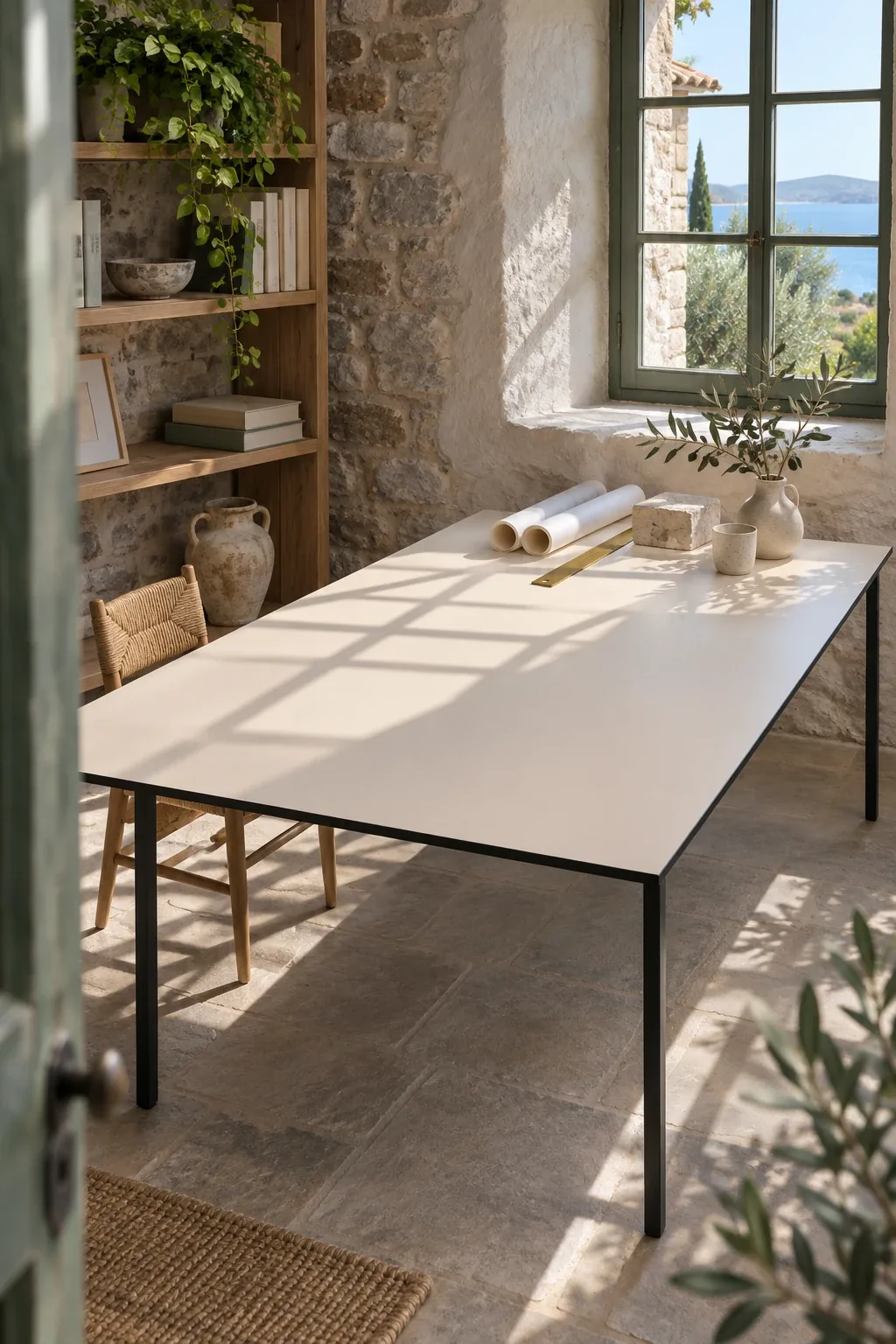
- Restaurants and cafes: tables, service counters and frequently wiped surfaces.
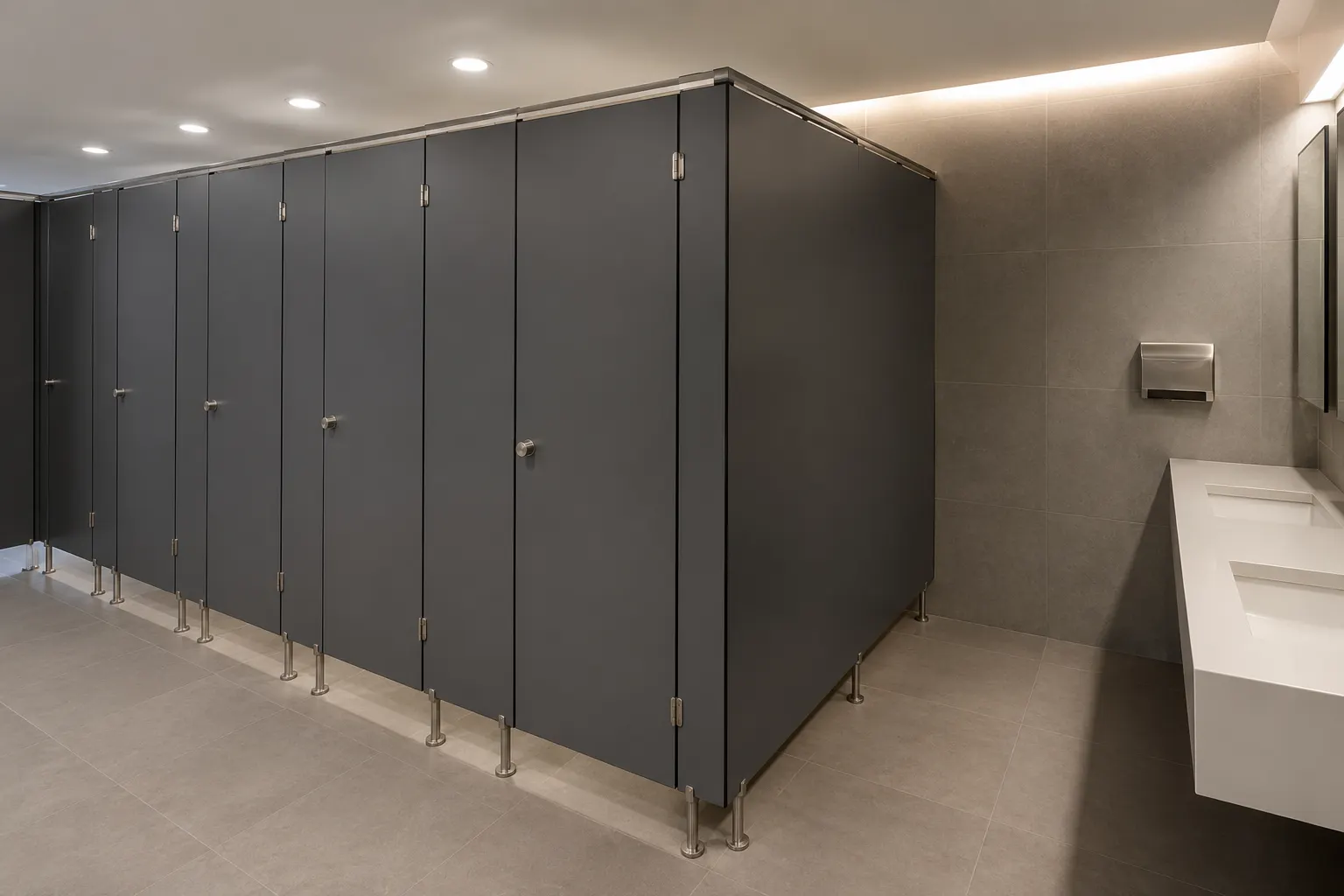
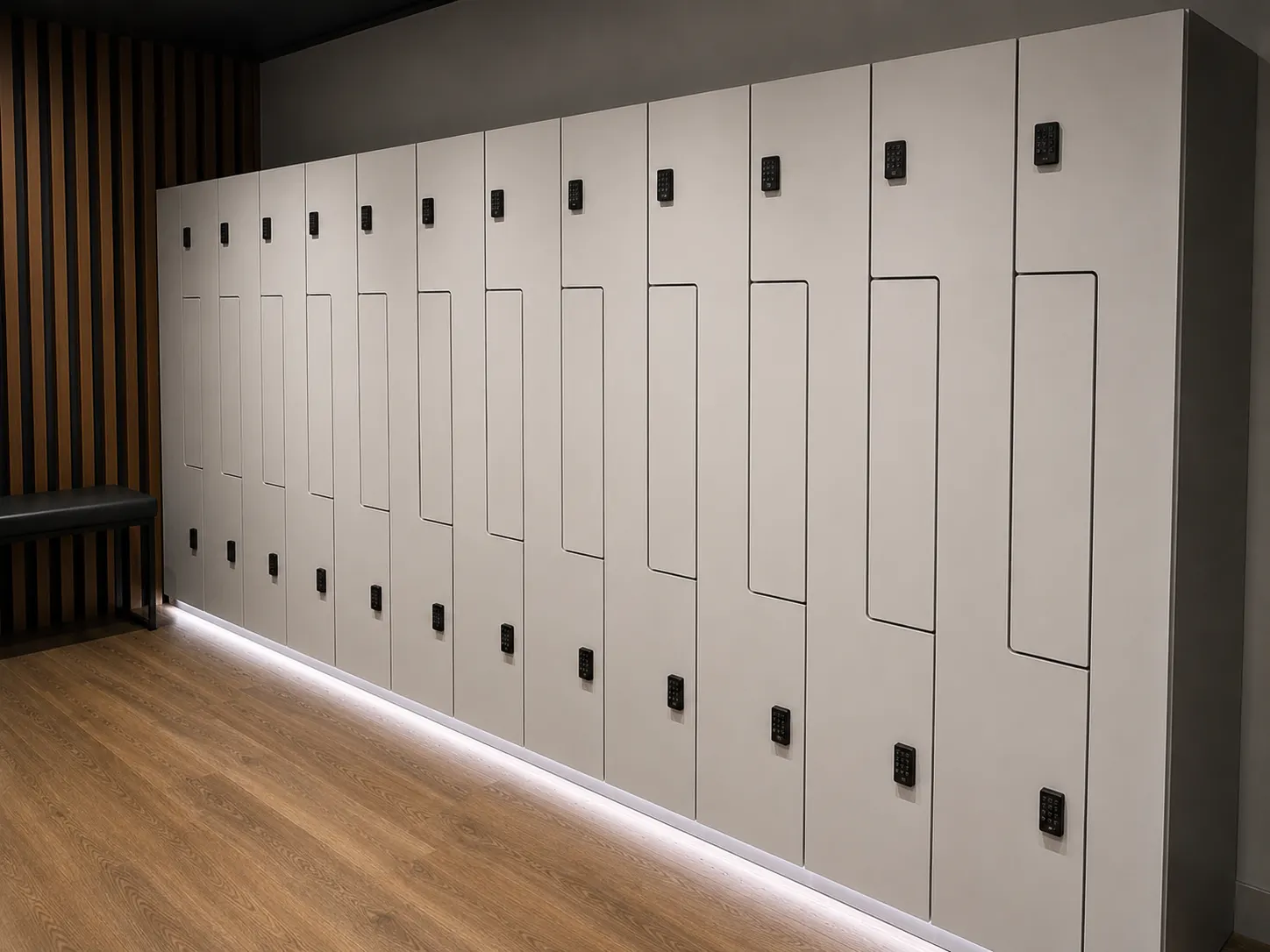
- Gyms and pools: lockers, shower partitions, benches and cubicles.
- Public spaces: airports, terminals, malls and municipal buildings.
For hygienic-surface projects, see Gentaş laminate, WC compact cubicle systems, G-Lab laboratory worktops and compact table tops.
Related reading: Compact Surfaces in Labs and Healthcare: 2026 Notes on Hygiene and Chemical Resistance · Material Selection in Compact WC Cubicle Systems: What Matters in Wet Areas?
Related guide: Compact Laminate Interior Wall Cladding: Expansion Gaps, Fixed and Sliding Points, Rear Ventilation
Sources
#antibacterial laminate
#antimicrobial surface
#compact laminate
#G-Bio
#G-Defence
#ISO 22196
#hygienic surface

 Panels & Plates
Manufacturer

 ®