Gülmar-made laminate-faced panels and curved profiles, plus raw plywood supply.
Technical guides to compact laminate, HPL, MDF and plywood laminate panels: chemical and fire resistance, hygiene, wet areas and surface selection.
Gülmar does not make doors; it supplies door manufacturers with door-facing laminate. Interior doors use HPL and CPL, toilet cubicle doors are 12 mm compact laminate, and exterior doors such as pivot doors use 6 mm G-EXT. Here is which goes where.
Read more
A compact laminate countertop is a single 12 mm panel as standard; for a thicker look, 12 mm strips are added along the edge or an apron is joined with a 45° miter. Thickness, edges, sink cut-outs and everyday use for kitchens and work areas.
Read more
CDF board is a fiberboard with a homogeneous black core and a density of at least 1,000 kg/m³. Here is how it differs from MDF and compact laminate, how it behaves around water, and when it is the right choice for toilet cubicles and lockers.
Read more
Standard, accessible, ambulatory and children's toilet cubicle dimensions, with ADA and UK Approved Document M values in a sourced mm/inch table. Also covers panel thickness, floor clearance, door swing and urinal partitions.
Read more
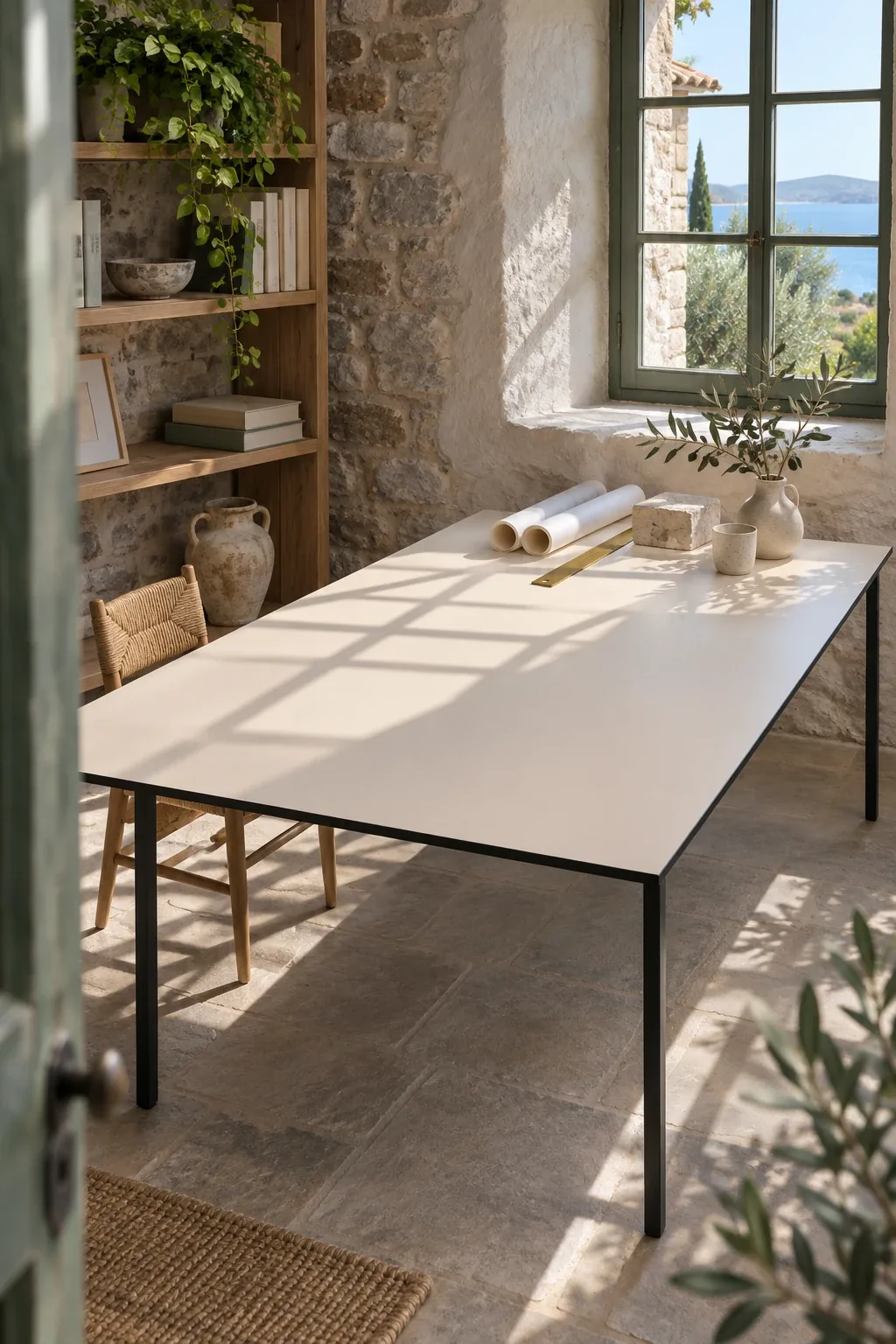
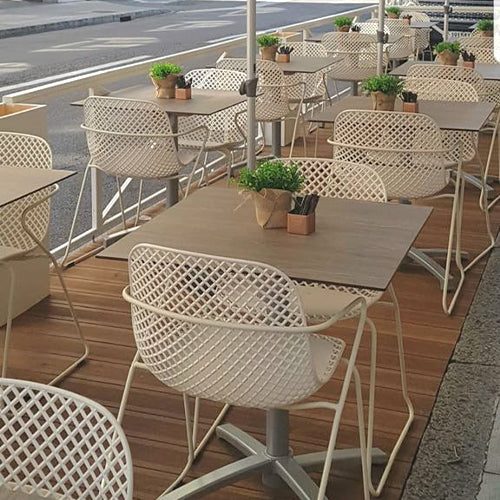
At Gülmar, every compact table top is built on a single 12 mm panel; 24 and 36 mm edges come from bonded strips, and 50 mm from a 45° mitered apron. Here is how each is built, bonded and mounted.
Read more
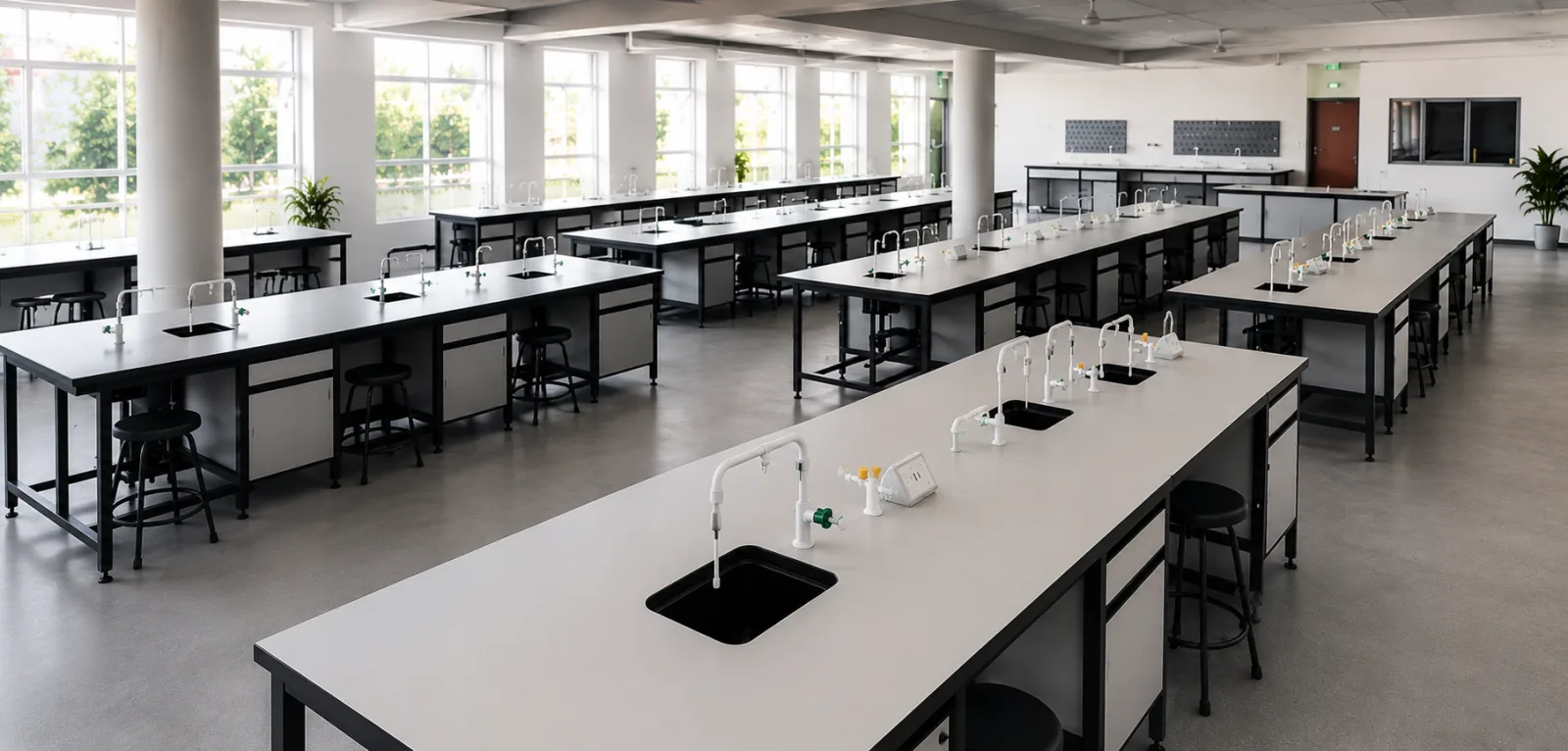
What should a laboratory worktop specification actually say? Standards, thickness, SEFA chemical testing and seam details, with a copy-ready checklist based on EN 14056-1:2025, EN 13150 and SEFA 3.
Read more
Compact laminate starts at 2 mm under EN 438-4, and the right thickness depends on the application, the fire requirement and the support spacing. We tabulated the fire class, flatness and weight data from the G-COM data sheet by thickness.
Read more
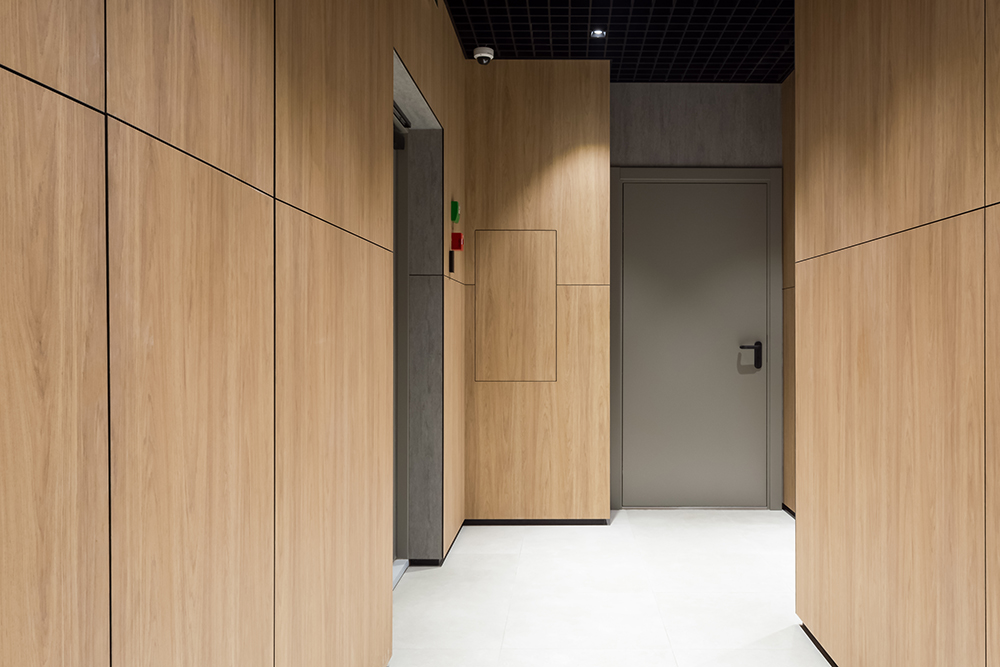
How to install compact laminate wall cladding indoors: expansion gaps, fixed and sliding point layout, rear ventilation, and wet-room details, all with sourced values. Includes G-COM disinfectant and fire data in table form.
Read more
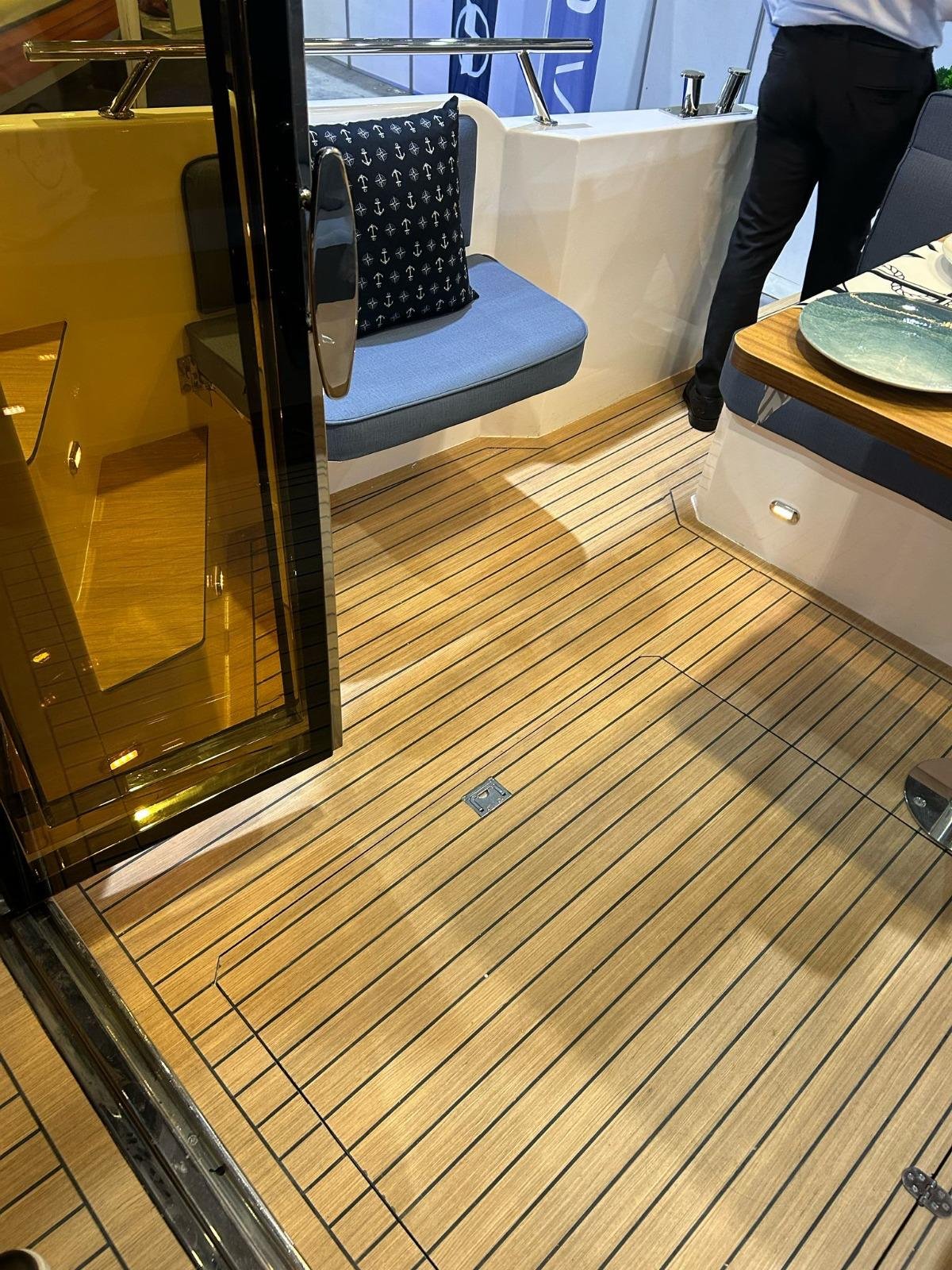
We compare compact laminate for yacht and boat floors with solid teak, synthetic teak, marine carpet and marine vinyl — on moisture, weight, maintenance, hygiene and custom cutting — and explain why it stands out.
Read more
A source-backed comparison of exterior HPL (compact laminate), aluminum composite and fiber cement facade panels on fire class, system testing, installation and maintenance.
Read more
Antibacterial laminate, antimicrobial surface and hygienic compact laminate are not the same thing. A practical guide for healthcare, schools, restaurants and washroom projects.
Read more
How to evaluate water, impact, heat, scratches, edge detail, leg fixing and CNC sizing when choosing compact laminate table tops.
Read more
MDF laminate panels are practical for furniture and interiors, but wet-area and direct-water limits must be understood.
Read more
What advantages do a plywood core and laminate surface provide in furniture, interiors and decorative panel projects?
Read more
What to check in schools, malls, hospitals, hotels and sports facilities: water, impact, hygiene, accessories and installation.
Read more
FR laminate, fire class, EN 13501, G-Fire and document reading for public projects: the difference between fireproof and fire-retardant.
Read more
A plain-language guide to the difference between compact laminate and HPL, their performance, a comparison table, and which one fits which space.
Read more
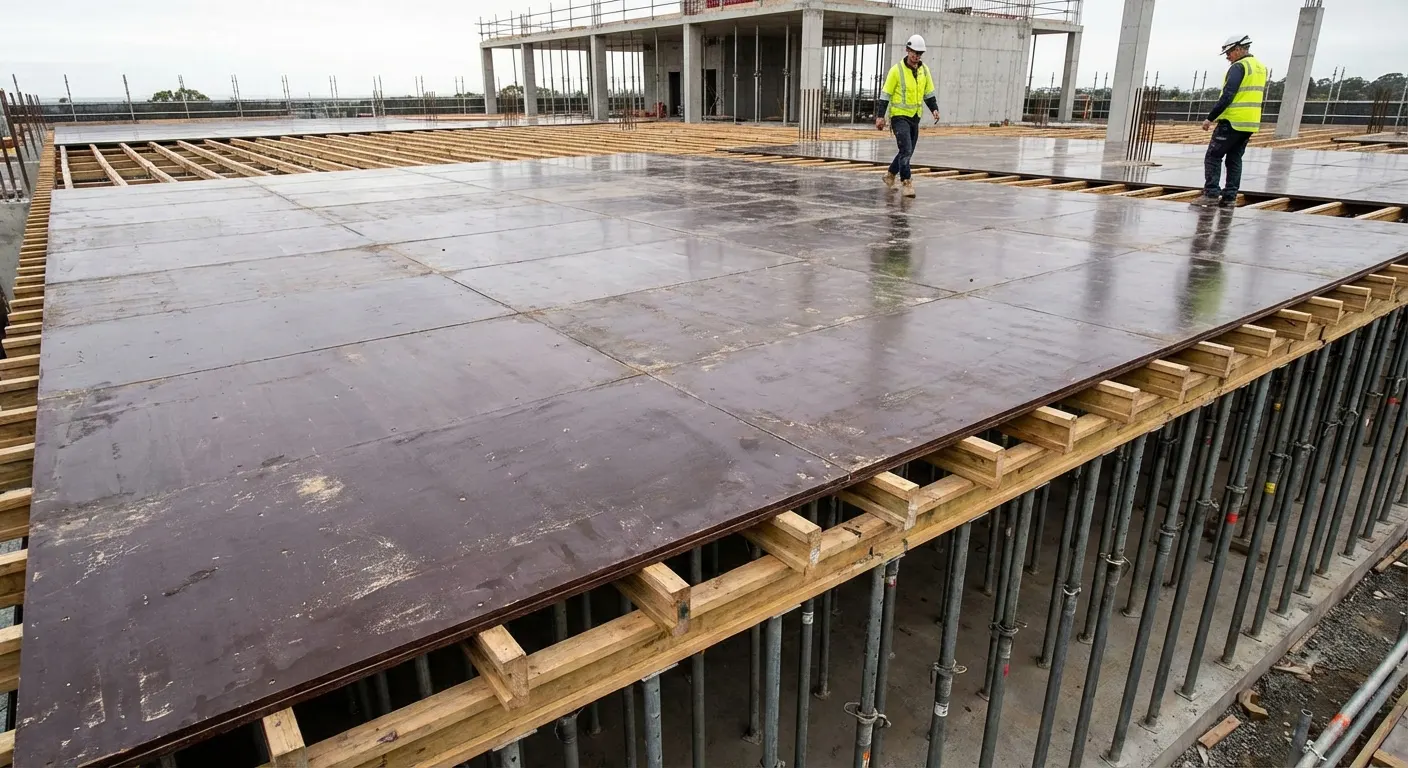
Why is phenolic film-faced plywood used in concrete formwork? Practical criteria around core, film, edge sealing and reuse cycles.
Read moreHow should chemical-resistant compact laminate, antimicrobial surfaces and easy disinfection be read when selecting lab worktops?
Read moreHow to read chemical resistance, hygiene, heat and standards when choosing a lab worktop — a checklist guide focused on G-Lab compact surfaces.
Read moreTell us your need; we’ll recommend the right product and prepare a quote.