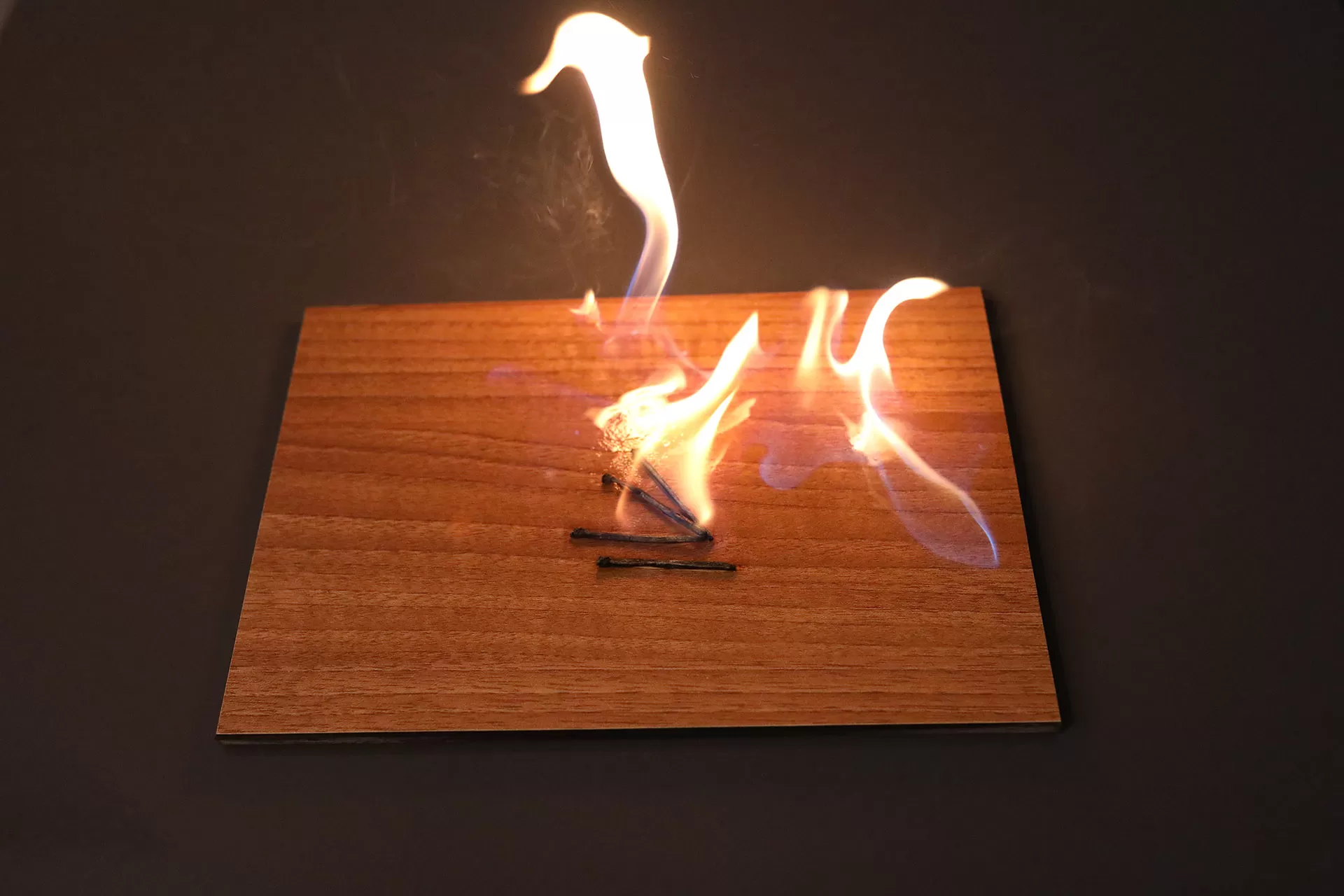
The common mistake is to read fire-rated laminate as “fireproof.” In HPL and compact laminates, the correct wording is usually fire-retardant or “product achieving a defined fire class.” The project should rely on test documentation, not broad claims.
What is FR laminate?
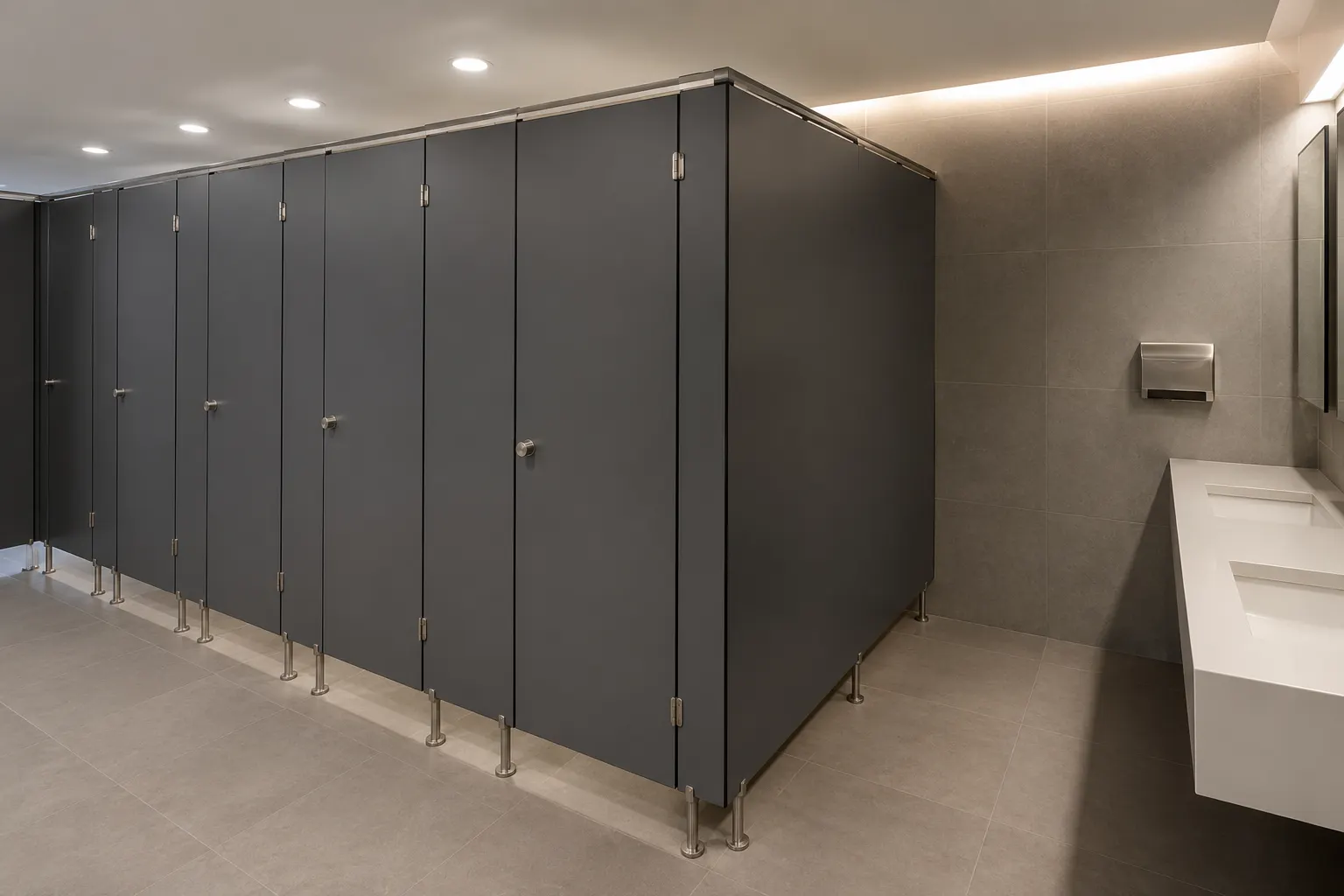
FR means fire retardant. Resin system, additives, thickness and installation system all affect fire behavior. Gentaş describes G-Fire as a product with delayed ignition and resistance to the spread of fire, used in transport, hotels, schools, hospitals, business centers, elevators and public institutions.
Related reading: Compact Laminate vs. HPL: How to Choose the Right Surface
Why EN 13501 matters
EN 13501-1 classifies reaction to fire in Europe, including flame behavior, smoke and flaming droplets. Therefore, “fire resistant” is not enough; Euroclass, smoke class and droplet class should be checked.
For fire-retardant needs see Gentaş laminate, G-EXT and CNC services.
Related reading: G-EXT on the Facade: Ventilated Cladding & Architectural Trends
Related guides: Compact Laminate Thickness Guide: Fire Class, Flatness, Weight and Typical Uses · HPL vs ACP vs Fiber Cement Facade Panels: A Standards-Based Comparison
Sources
#fire retardant laminate
#FR HPL
#G-Fire
#EN 13501
#compact panel fire class

 Panels & Plates
Manufacturer

 ®