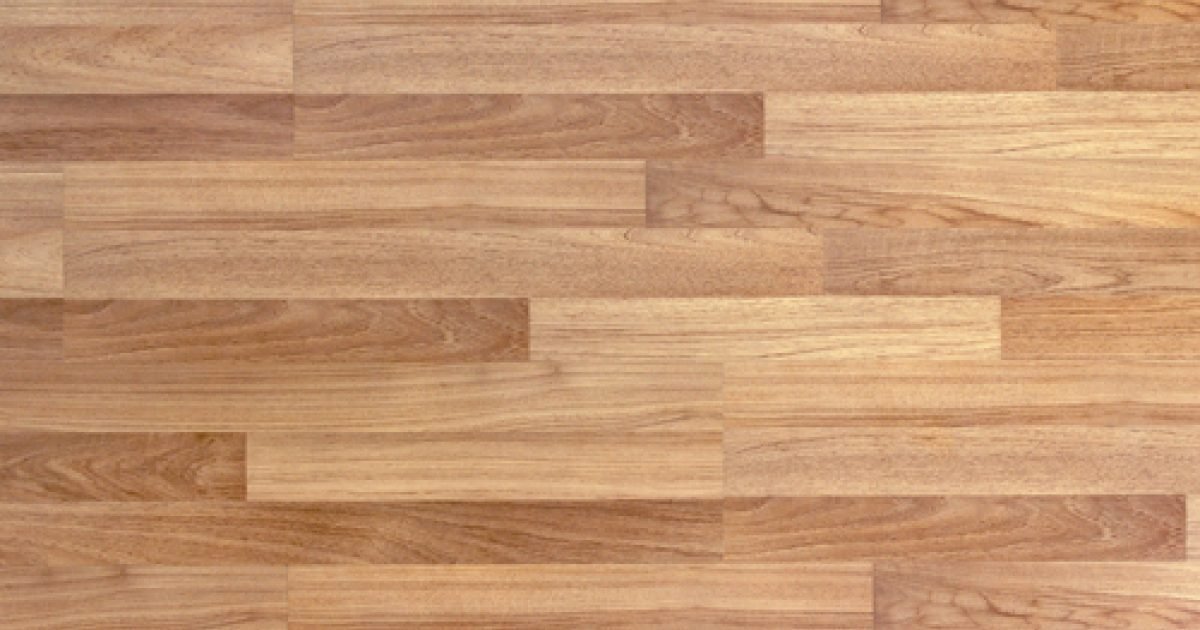
MDF laminate panel is widely used in interiors because it combines a smooth, machinable substrate with a decorative laminate surface. But it has limits. If moisture and direct-water exposure are misread, a good-looking panel may swell or fail at the edges.
Where MDF laminate works well
- Wardrobes, cabinet doors and shelving
- Office furniture and retail fixtures
- TV units, decorative wall panels and interiors
- Dry-zone vertical surfaces
- Cost-effective decorative production
Where to be careful
MDF is fibre-based. Moisture-resistant MDF exists, but it is not waterproof. Direct water splash, continuously wet areas, open edges and poor ventilation are risky. Bathrooms, showers, pools, industrial kitchens and WC cubicles often call for compact laminate or other water-resistant solutions.
Why emissions matter
For interiors, formaldehyde emissions should be checked. EPA TSCA Title VI defines formaldehyde emission standards for composite wood products such as hardwood plywood, MDF and particleboard. E0/E1, TSCA Title VI or equivalent documents are useful quality checks for indoor air projects.
See MDF laminate panel, and compare wet-area alternatives via Gentaş laminate and compact WC cubicles.
Sources
#MDF laminate panel
#laminated MDF
#MDF uses
#moisture resistance
#E0
#E1
#TSCA Title VI
 Plate & Panel Products
Manufacturer
Plate & Panel Products
Manufacturer

 ®
®